
Social Casino Games Addiction
Discover what social casino games are and why millions become addicted despite no real money payouts. Learn the psychology behind these apps, recognize warning signs, and find practical tips to protect yourself from compulsive gaming behavior.
The world of mobile games is growing rapidly, but there is one category that has experts worried, that is social casino games. These flashy, engaging apps have now attracted more than 100 million players worldwide. Surprisingly, these games are making billions of dollars, yet they don’t give players a single penny back.
These games look and play just like slot machines or poker tables in Las Vegas, but one big thing sets them apart: they don’t involve any real money. People spin virtual reels, collect online coins, and try to win jackpots that are limited to mobile screens. But millions of people still get so lost in them that they spend hours a day some even spend real money on virtual prizes.
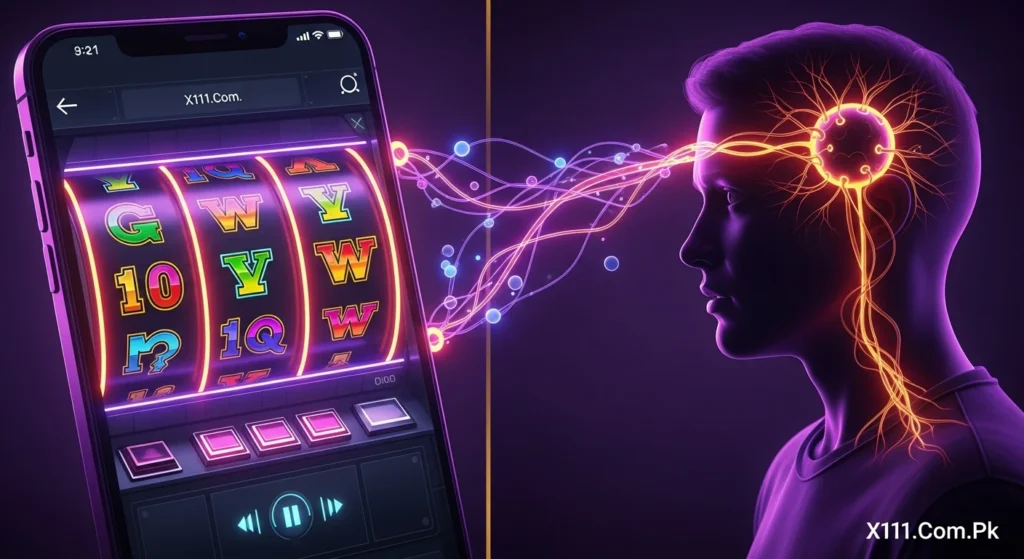
The growing popularity of these games has raised several important questions. Why do people play something so much when it doesn’t pay them anything? What mental tricks keep players coming back again and again? And isn’t there a dangerous line between “just having fun” and “a problematic habit”?
That’s why it’s important to understand the topic. In this article, we’ll look at what social casino games actually are, what makes them so appealing, and why some people become addicted to them. Whether you play these games yourself, know someone who does, or are just curious about the trend understanding how social casino games affect the mind can help you make better, more informed decisions.
What Are Social Casino Games?
Social casino games are mobile or web games that create a casino-like atmosphere without the actual gambling. They are free to play and do not involve real money wagering or winnings. Think of them as a casino simulation same lights, same sounds, and same exciting atmosphere, but all with virtual currency, not cash.
These games have become extremely popular on platforms like Facebook, iOS, and Android. You may have seen names like Slotomania, DoubleDown Casino, Big Fish Casino, or Huuuge Casino or seen someone playing these games. They are designed to look so realistic that it feels like you are playing on a real casino machine, as they use the same themes and mechanics as physical slot machines.
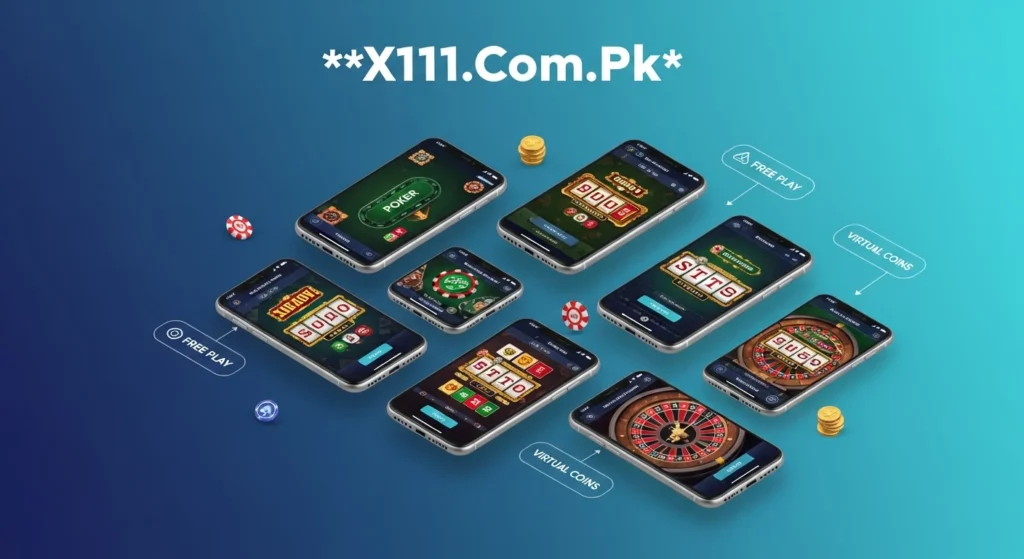
The biggest difference from traditional online gambling is that you never win real money. When you hit a jackpot, you get virtual coins or chips, which can only be used within the game. They cannot be cashed out, sold, or used elsewhere. That’s why in most countries they are considered “games,” not “gambling.”
But even though you can’t win money, you can spend money. These games operate on a freemium model free to download and play, but once you run out of virtual coins, the game prompts you to buy more coins. Many people spend anywhere from $5 to $50 or more just to keep playing, even though they know that these coins have no real-world value.
The scope of these games has expanded. Initially, they were mostly popular among older Facebook users, but now players of all ages play them. Some people play these games to pass the time, while others become so addicted that they play regularly every day and make the game their habit.
How Social Casino Games Work?
Everything in social casino games is powered by virtual currency. When you start playing, you get free coins or chips to get you started easily. You use those virtual credits to place bets, spin reels, or play cards, and then either win more coins or lose your bet.
These games include almost all the games you’d find in a casino slot machines, poker, blackjack, roulette, and bingo. Each game plays just like a real casino. Same sounds, same animations, and same ways to win. When you win big, happy effects appear on the screen, designed to excite the player.
Most games have a level system that keeps you hooked. The more you play, the higher your level, unlocking new slot machines and gaining access to special features. As you level up, the higher the bet gets, and the game themes get more exciting.
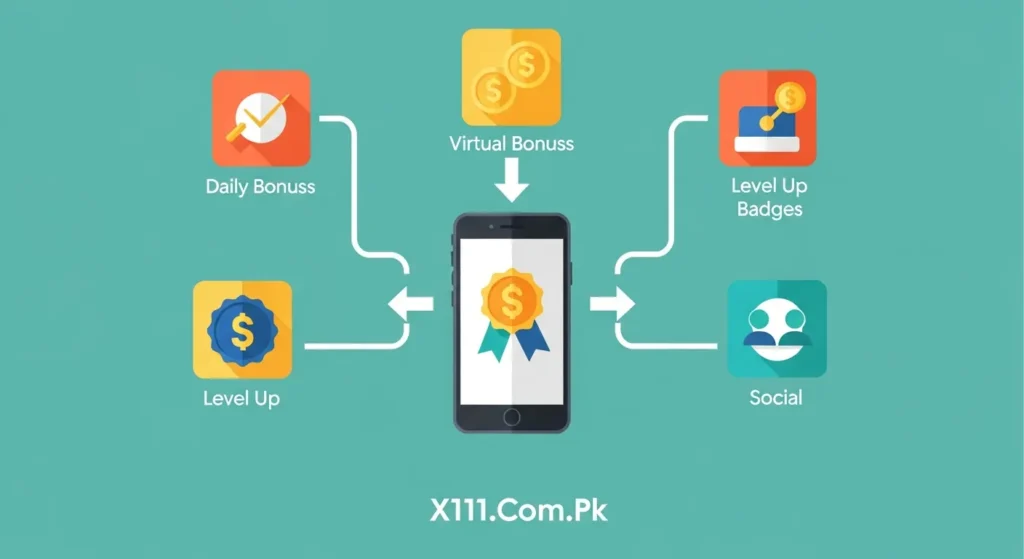
Daily bonuses are also an important part of this system. You earn free coins by logging in every day. If you miss a day, your streak ends. This is what builds a habit and brings the player back to the game again and again.
Social features make the experience even more interesting. You can connect with friends, send them gifts, compete on leaderboards, and participate in tournaments. In some games, you can even visit other players’ casinos or form a team to complete special challenges.
When you’re low on coins, the game offers several options. You can wait for the daily bonus, watch ads for small prizes, or most advantageously for the developers buy coins with real money. Prices start at a few dollars and go up to more than $100 for larger packages.
The Psychology Behind Social Casino Games
Game developers don’t just suddenly come up with an addictive design. They carefully design each feature and use principles that directly affect the reward and motivation of the human brain.
- The most powerful weapon in these games is “unexpected rewards.” You never know when the next big win will come. This uncertainty draws the brain back to the game again and again, because random rewards are always more powerful than expected. This is why people check social media so often.
- The “near miss” effect is also very powerful. When two jackpot symbols appear on the reels and a third is just a step away, the brain interprets it as a near win. Research shows that such moments trigger the same reaction in the brain as an actual win, and this is what makes the player want to play more.
- “Facing a loss as a win” is also a special trick. You bet 100 coins, get 50 back, and yet the game plays a happy sound to indicate a win. The brain senses celebration, not loss. This keeps the player feeling positive, even if the balance is dwindling.
- Social competition is also an important part of this game. Seeing leaderboards and tournaments awakens the human competitive spirit. You want to get ahead of others, beat your friends, or maintain your position. This makes even a single game a competition with others.
- The game also includes video game-like features. Badges, missions, achievements, and progress bars give the player goals that have nothing to do with winning coins. When a task is completed, the mind feels happy, even if there is actually a loss.
- FOMO, or “fear of missing out,” is also used everywhere. Limited-time events, special offers, or machines that are only available for 24 hours, make the player want to play immediately. It seems like if you don’t play now, this opportunity will be gone forever.
Why People Become Addicted to Social Casino Games?
Social casino games can be addictive in many ways, and most players don’t even realize it.
First of all, their convenience makes them dangerous. Our mobile phones are always with us, so these games are available at all times of the day. No need to go to the casino, no need to sit at the computer. You can play them while standing in line, eating, or lying in bed at night.
The idea of “playing for free” also becomes a deception. Players keep telling themselves that it’s just fun, no real money is involved. This thinking forces them to play for hours, and they don’t realize that this habit is becoming a problem.
Brain chemistry also plays a role in this addiction. Every win even if it’s only virtual creates a feeling of pleasure in the brain through dopamine. At first, the brain doesn’t distinguish between real and virtual rewards. Gradually, you have to play again and again to feel the same pleasure.

“Sink cast” the amount of effort and time invested also keeps players hooked. When someone spends months leveling up, unlocking machines and building a large account, it’s hard to let go. Players continue playing just to make sure their hard work isn’t wasted.
These games can also lead to real gambling. Several studies show that people who play social casino games are more likely to go on to gamble in real life. These games teach casino-like techniques and normalize betting.
Emotional vulnerabilities can also fuel this habit. People who are experiencing stress, anxiety, loneliness or sadness use these games as a temporary solace. The problem is that the solace is temporary, but the real emotional problems remain.
Some game designs target the player’s weaknesses. Daily bonus reminder notifications, offers that run like clockwork, and making it difficult to understand the amount spent these are all ways to bring players back to the game again and again.
Warning Signs of Social Casino Game Addiction
If the signs of addiction are recognized early, many major problems can be prevented. Be sure to watch for these signs in yourself or a loved one.
- Spending gradually increases. At first, spending $5 occasionally seems normal, but then it reaches $50 or $100 a week. The person repeatedly makes excuses to himself that “I’ll just get this last package,” but this cycle continues.
- Responsibilities begin to be neglected. Work deadlines are missed, household chores are stopped, and time with family is reduced. The game gradually begins to feel more important than the things that are actually important.
- Despite attempts to quit, the game continues to play. Many times the intention is to cut down or quit completely, but a few days later the app is reinstalled. The desire to play prevails over the decision.
- The game is always on the mind. Be it a meeting, a conversation, or some other engagement the next game session or a strategy to win more coins is constantly spinning in the mind.
- Games become a means of coping with emotions. When there is stress, anxiety, boredom, or sadness, playing games feels like a quick fix. Thus, games become the only recourse, replacing healthy methods.
- Hiding and lying begin. The time and expense spent on gaming is hidden from family or friends. If someone asks, the story is told in a less than perfect way or various excuses are made.
- Financial difficulties arise. Credit card bills start to mount, savings decrease, and it becomes difficult to meet daily essential expenses because more money is being spent on virtual currency.
- Anxiety is felt when not being able to play games. If you don’t get a chance to play, you feel irritable, restless, or nervous. This anxiety is only reduced by playing the game again.
The Controversy and Regulatory Concerns
Social casino games exist in a legal vacuum that is a constant source of debate among senior lawmakers, researchers and consumer protection advocates.
- The real issue is where to put them. Are they gambling or just entertainment? Developers say they are games because they do not involve real money. But critics say that when players spend real money and the outcome is a matter of luck, then it is gambling in any form.
- Current laws offer little protection to players. Because they are listed as games, most countries do not apply the same strict rules as casinos. There are no responsible gambling restrictions, no spending limits, and no supervision that is imposed on licensed gambling establishments.

- Vulnerable groups are the most affected by this situation. Children and young people can easily access these games because there is no strict age verification. For those who already have a problem gambling habit, such games offer all the mechanics of a real casino but without the safety measures.
- According to researchers, these games play a key role in the transition to real gambling. Several studies show that people who play social casinos are more likely to develop real-money gambling and the problems associated with it. Thus, the gap between “just practice” and “problem” is dangerously narrow.
- Meanwhile, there is fierce resistance from the gaming industry. Big companies have invested heavily in lobbying to maintain the status quo of these games. They say that strict rules will stifle creativity and unnecessarily target legitimate entertainment.
- Regulators around the world are now recognizing the problem, but practical change is still very slow. One reason is that the industry generates billions in revenue every year, which makes reform politically difficult.
Tips for Healthy Play and Prevention
If you play social casino games, a few simple habits can help you avoid making impulsive decisions and help you maintain self-control. Set clear limits before you start playing. Write down both of these things in advance and stick to them. Consider using apps that automatically close the game when the time limit is reached.
- Never rush back to win after a loss. If you run out of coins, stop there. The urge to buy more coins often fuels harmful behavior. Remember, these virtual coins are in no way a substitute for real money.
- Turn off all game notifications immediately. Such push alerts are specifically designed to keep you from opening the game again and again. When they are turned off, there will be less unnecessary tension and stress.
- Also remove payment methods from your account. Not having your card saved makes you think before every purchase and stops you from spending in a hurry.
- Also be aware of the tricks used in the game. Countdown timers, limited-time offers, and special deals are just ways to put pressure on yourself. Understanding these things can help you make better decisions.

- Try changing your hobbies. Try exercising, spending time with friends, playing new activities, or games that don’t cost money. If you’re just playing to pass the time, find a healthier, more enjoyable option.
- Check your spending regularly. Check your bank or card statements once a month to see how much you’re really spending. Often, seeing the actual amount can help you see how big even small purchases have become.
- If you still find it difficult to control yourself, use self-exclusion tools. Some platforms offer the option to set automatic restrictions, and you can also use website blockers or parental control apps to help you stop yourself in your weak moments.
When to Seek Help
When social casino games start to affect your life, it’s important to get help. If you repeatedly set limits but break them every time, or if your money, home, or relationships are starting to suffer because of the game, it’s a sign that self-control is no longer enough and you need support.
Although social casinos don’t involve real money, they still create the same habits that regular gambling does. That’s why the same support groups are helpful here. Organizations like the National Council on Problem Gambling offer free, confidential help, and these resources can be very helpful at times like these.
- Therapy is also a strong and long-lasting solution. CBT, in particular, is considered very effective for such habits. A good therapist can help you identify your triggers, teach you better ways, and uncover the underlying issues that are causing you to behave this way.

- Support groups are also very helpful. Groups like Gamblers Anonymous provide a space for people who are struggling with the same problem. Listening to others there can help you realize that you are not alone, and the community can help give you both encouragement and responsibility.
- Family support is also important if someone at home is struggling. Programs like Al-Anan and Game-Anan also offer guidance for family members. Family counseling can also help heal rifts in relationships.
- The most important thing is not to wait. Taking action early can prevent major financial losses and relationship breakdowns.
Conclusion
Social casino games prove that you don’t have to win real money to become addicted. These apps are designed to keep you coming back. Even without earning money, they use the same psychological mechanisms that make traditional gambling dangerous such as repeated wins, tight odds, and competition with others.
The key is to be smart. It’s important to know that “free to play” is never “risk-free.” These games are designed to keep you busy and spend money, and most decisions are made on impulse rather than on a conscious level.
If these games are played just for fun, within tight time and spending limits, there’s no problem. The problem starts when playing becomes a necessity or habit, is hidden, or causes financial loss.

If you see signs of danger in yourself or a loved one, take action now. Set boundaries, get help, or stop altogether. Your money, time, and peace of mind are worth more than any virtual coin.
It’s possible that more laws will be enacted on these games in the future, as awareness of their addictive nature grows. But until then, your knowledge and responsibility are your protection.
Take an honest look at your situation today. If these games are bringing joy to your life, play in moderation. If you are hurting, it is possible to change course. Help is available and a return to a better life is always possible.